


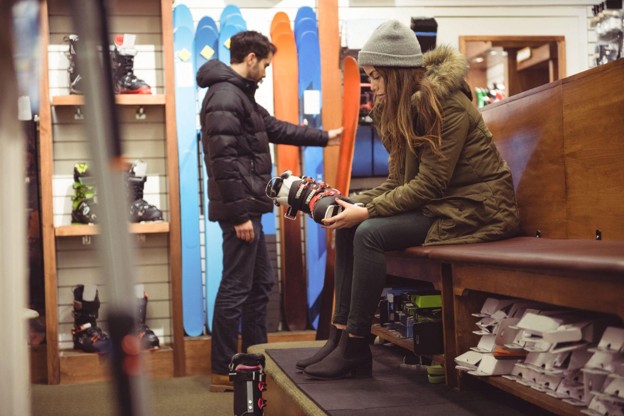
Walking into ski shops with a list of separate products can make gear selection harder than it needs to be. Skis, boots, and bindings may be sold individually, but on the mountain they function together. A better setup begins by considering how every component fits the skier, the terrain, and the rest of the equipment.
That approach can simplify shopping while reducing compatibility problems. Instead of asking which ski, boot, or binding is best in isolation, skiers can focus on building a complete setup that suits how they actually spend their days on snow.
Start With the Skier, Not the Equipment
Rows of new equipment can make brand, graphics, and specifications seem like the natural starting point. Experienced ski shops, however, can begin with more practical questions.
Where does the skier spend most of the day? How experienced are they? Do they prefer groomed runs, trees, bumps, powder, or a combination? Are they looking for forgiving equipment or something designed for more aggressive skiing?
These questions matter because two people of similar height and weight may still benefit from different setups.
A newer skier who values predictable handling may have very different needs from an experienced skier who spends most days exploring varied terrain. Equipment should support those differences rather than forcing every skier into the same solution.
Skis Influence the Rest of the Setup
Ski length is only one consideration. Waist width, shape, construction, flex, and intended terrain can all affect how a ski feels.
A narrower ski may provide quicker edge-to-edge movement on firm groomed snow, while wider models are often selected when flotation in softer conditions becomes more important. All-mountain designs attempt to balance performance across changing terrain and snow conditions.
Once a ski is selected, other decisions follow.
Binding brake width, for example, needs to correspond appropriately with ski width. The skier’s ability and intended use also influence which binding models make sense.
This is where knowledgeable ski shops can help shoppers avoid treating specifications as independent numbers. The objective is not simply finding components that look compatible on a product page. It is creating a combination that works together.
Boots Can Change the Entire Experience
Skis may attract more attention, but boots are one of the most personal pieces of equipment in the setup.
Feet vary in length, width, volume, arch characteristics, and shape. Ski boots also vary in last, flex, liner construction, and overall fit.
A boot that feels comfortable for a few minutes in a store is not automatically the right boot. Excessive space can allow unwanted movement, while pressure in the wrong places can turn a full ski day into an uncomfortable experience.
Professional boot fitting available through ski shops can account for these differences. Ski Barn, for example, offers boot fitting and custom insoles in addition to equipment sales and rentals.
The boot decision also affects bindings. Different boot sole standards can have different compatibility requirements, so you should verify that the chosen boots and bindings are designed to work together.
Bindings Are Part of the System, Too
Bindings connect the boots to the skis, making compatibility and adjustment essential parts of the overall setup.
A binding should have an appropriate brake width for the ski and be compatible with the boot being used. Its release range must also be suitable for the skier.
Release settings are not a measure of skill or toughness. They are determined using information about the skier and equipment rather than simply choosing a higher number.
The National Ski Areas Association recommends obtaining proper equipment and having ski or snowboard bindings correctly adjusted at a local ski shop. That guidance reinforces why bindings should not be considered an accessory added after every other decision has been made.
Professional ski shops can evaluate skis, boots, bindings, and skier information together before mounting and adjusting the setup.
A Complete Setup Should Reflect Where Someone Skis
Equipment recommendations can become more useful when terrain enters the conversation.
Someone who primarily skis groomed runs may prioritize different characteristics from someone who regularly searches for powder. A skier exploring bumps and trees may value maneuverability, while another who enjoys faster open terrain could have different performance priorities.
Local conditions matter as well.
Ski Barn serves skiers preparing for areas such as Purgatory and Hesperus as well as trips elsewhere in the West. Familiarity with regional terrain and snow conditions can give ski shops additional context when helping customers evaluate equipment.
This does not mean that one ski is required for one mountain. It means equipment decisions become more meaningful when skiers connect them to how and where they expect to use them.
Service Should Be Part of the Buying Decision
The relationship between the components does not end when the purchase is completed.
Skis require maintenance. Bases can become dry or damaged, and edges can lose sharpness. Bindings may need mounting or adjustment when equipment changes. Boots may require additional fitting work after a skier spends time in them.
For that reason, the services offered by ski shops can be as relevant as the products on the shelves.
Ski Barn’s full-service operation includes:
- Ski and snowboard tuning
- Waxing and edge sharpening
- Base repairs
- Binding mounting and adjustments
- Boot fitting
- Custom insoles
- Ski and snowboard rentals
Having these services available in one place can make it easier to think about equipment over an entire season instead of treating the initial purchase as the end of the process.
Renting Can Help Clarify Future Purchases
Not every skier needs to purchase a complete setup immediately.
Renting can be particularly useful for beginners, occasional skiers, growing children, or people still learning what equipment characteristics they prefer.
Trying different equipment can reveal useful preferences. A skier might discover that a certain type of ski feels easier to maneuver or that boot fit deserves more attention than expected.
Ski Barn offers rental equipment for different ages and ability levels, including packages with skis or snowboards, boots, and poles.
Because rentals bring multiple components together, ski shops can also use the process to help skiers understand how a complete setup should feel before they commit to purchasing their own equipment.
More Advanced Does Not Automatically Mean More Appropriate
One of the easiest mistakes in equipment shopping is assuming that a higher-performance product must be an upgrade for everyone.
Equipment designed for aggressive or highly experienced skiers may demand more precise input or behave differently from equipment intended to be forgiving and accessible.
The same principle applies across skis, boots, and bindings.
A stiff boot is not automatically better than a more forgiving boot. A wider ski is not automatically more versatile. A binding with a higher release range is not inherently superior.
Good ski shops can help separate specifications that genuinely benefit the skier from features that simply sound more advanced.
The goal should be appropriate performance, not the largest collection of premium specifications.
The Best Setup Is the One That Works Together
Buying ski equipment becomes easier when the process stops being a search for the best individual product.
Skis affect binding requirements. Boots must fit the skier while remaining compatible with the bindings. Bindings need appropriate mounting and adjustment. Terrain, ability, and skiing style influence all three decisions. Maintenance then helps keep the equipment performing throughout the season.
That interconnected approach is where full-service ski shops can provide meaningful value.
Rather than choosing a ski because of its graphics, a boot because it feels soft in the store, and a binding because its specifications appear impressive, skiers can evaluate how every component contributes to the complete setup.
When skis, boots, bindings, fit, service, and skier needs are considered together, equipment shopping becomes less about assembling individual products and more about creating a system designed for the person who will actually use it.

