


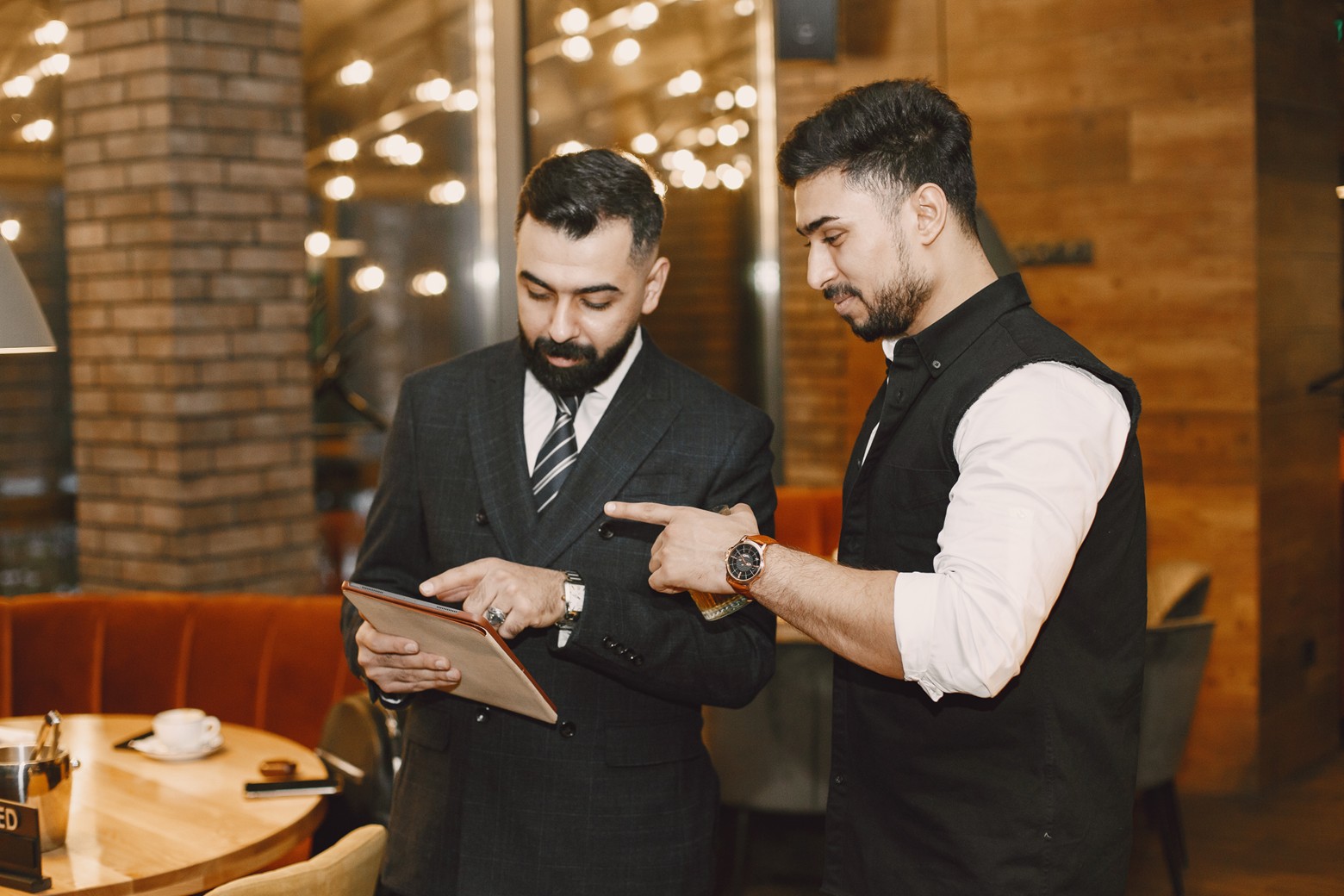
A lot of restaurants can impress you at once. The harder part is getting you back. Seng Tiong Ho often sees repeat visits as the clearest sign of a restaurant doing things right, because people do not return only for taste. They return for consistency, comfort, and a feeling that the experience was handled with care.
Most customers do not decide to stop going somewhere because the food was terrible. They stopped because something fell slightly off. The wait felt longer than expected. The service felt rushed. The vibe did not match the price. It is rarely one big issue. It is small details stacking up until the restaurant stops being an easy choice.
A restaurant that stays in your rotation is not always perfect. It is simply dependable in the ways that matter.
It begins before the first bite
Before you even open the menu, you already sense what kind of experience you are walking into. The greeting, the energy at the entrance, the way staff moves through the room, and how clearly your table is handled all shape your mood early.
Seng Tiong Ho tends to notice that the first few minutes decide whether a guest feels relaxed or tense. When a restaurant feels calm and organized, you settle in. When it feels scattered, you stay guarded. Even great food cannot fully erase a stressful start.
It is not about being fancy. It is about being intentional. People can feel when a place is operating with control.
Consistency beats a signature dish
A signature dish might attract someone just once. It’s the consistency that brings them back. Seng Tiong Ho sees consistency as a challenging standard to uphold, as it goes beyond just recipes. It involves prep discipline, timing, ingredient quality, portioning, and teamwork between the kitchen and the floor.
When a dish is great one time and just okay the next, few people voice their concerns. They just lose trust in the restaurant. It turns into a risk rather than a preference. People often go back to familiar places, even if they’re not the most innovative. They consistently provide the same quality, even on busy nights and when the room is packed.
The room must feel right
Food matters, but comfort decides whether you want to stay.
Some restaurants get everything technically right, yet you still feel like leaving quickly. Others make you linger without thinking about it. That difference often comes down to the atmosphere being easy to enjoy.
Seng Tiong Ho often sees comfort as a practical part of hospitality. The lighting should not feel harsh. The music should not compete with conversation. The seating should feel chosen for real guests, not only for design. Even spacing between tables can shape whether a meal feels calm or cramped.
When the room feels comfortable, the meal feels smoother. You enjoy it more and remember it longer.
Seng Tiong Ho on service that feels human
Excellent service can be simple. It should feel effortless. Great service often appears effortless. A timely check-in, done thoughtfully. Water refilled automatically. Food arriving at a sensible pace. Clear answers, no attitude.
Seng Tiong Ho sees service as the restaurant’s character. A great menu means little if the service is cold, rushed, or inconsistent; it makes the experience forgettable. It can be really frustrating at times. Guests see the kitchen as part of the service. If something seems off, they recall the restaurant overall. Smooth service is a big deal. It affects if a customer comes back.
A menu should inspire trust
A menu can guide you or overwhelm you. People do not always want endless options. They want confidence that what they order will be done well.
Seng Tiong Ho often notices that when a menu tries to cover everything, it can weaken trust. If a restaurant offers too much, guests start wondering what it truly does best.
A strong menu feels focused. Not limited, but clear. It gives a quiet sense that the kitchen understands its strengths. Even descriptions matter. A dish should be easy to understand. When the menu feels honest and readable, guests relax into the experience.
Small details shape the memory
People do not always remember exactly what they eat. They remember how the restaurant made them feel.
That feeling is shaped by small things that seem minor until they are not. Clean tables, maintained restrooms, steady pacing, and staff who handle issues calmly without making guests uncomfortable.
Seng Tiong Ho often sees these details as the difference between a restaurant that gets recommended and one that gets forgotten. When a delay is communicated well, guests stay patient. When communication disappears, irritation builds quickly.
The goal is not perfection. The goal is smoothness. It is making the experience feel cared for.
Value is more than the bill
Value is not the cheapest option. It is the sense that what you paid made sense.
A premium restaurant needs to deliver a premium experience, not only premium ingredients. A casual place still needs to deliver cleanliness, timing, and flavor that feels intentional.
Seng Tiong Ho often views value as the balance between expectation and delivery. Guests do not mind paying more when they feel respected. But even a priced meal feels expensive when the experience feels sloppy or disorganized.
People do not expect luxury everywhere. They expect effort. They expect consistency. They expect their time to be taken seriously.
What brings people back
Fundamentally, going back to a restaurant is a choice based on trust. Seng Tiong Ho presents it in a straightforward manner. When they feel comfortable returning, people choose the location. I’m confident that the food will be reliable. Make sure the service is seamless. confident that their time will be well spent. Repeated visits and consistently executed tiny moments foster that trust.
To stay full, a restaurant doesn’t have to follow trends. It must remain stable. Beyond the plate, it must honor the visitor’s experience. Additionally, it must inevitably and naturally give individuals the impression that they would gladly return.

