


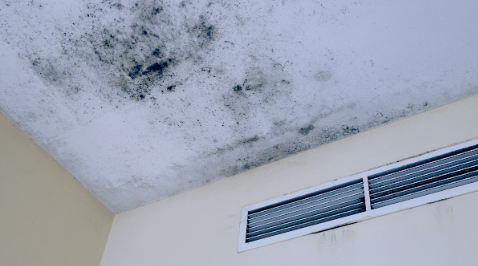
Black mold (often Stachybotrys chartarum) is the dark, slimy-looking mold that thrives in damp, humid places like in South Florida homes. It can cause serious health issues — allergies, breathing problems, headaches, and worse for sensitive people. Removing it the right way is not a simple DIY mold removal job. Here’s how professional mold remediation companies like Mold Only typically handle black mold removal step by step:
- Inspection & Testing
- Technicians come in and do a full visual check plus use moisture meters, infrared cameras, and sometimes air sampling or surface swabs.
- They figure out where the mold is (visible and hidden), how much there is, and what’s causing the moisture (leaks, poor ventilation, flooding, etc.).
- This step is key — you have to fix the water source or the mold will just come right back.
- Containment
- They seal off the affected area with heavy plastic sheeting and tape to stop mold spores from spreading through the air to clean parts of the house.
- Negative air pressure machines with HEPA filters are often set up so air flows into the contaminated zone, not out.
- Removing the Mold & Damaged Materials
- Workers wear full PPE (masks, suits, gloves).
- They carefully remove all porous materials that are badly infested — drywall, insulation, carpet, wood, etc.
- Non-porous surfaces (tile, glass, metal) get cleaned with specialized antimicrobial solutions.
- Black mold roots can go deep into porous stuff, so cutting out 12–18 inches beyond the visible mold is common.
- Cleaning & Treating
- Remaining surfaces are scrubbed with HEPA vacuums and EPA-approved fungicides or biocides made for mold.
- They use wire brushes or sanding on wood sometimes.
- Air scrubbers and dehumidifiers run constantly to pull spores out of the air and lower humidity.
- Drying Everything Out
- Industrial dehumidifiers and high-powered fans dry the area completely. This step can take several days.
- Moisture levels are checked and must get back to normal (usually under 15-16% for wood) before rebuilding.
- Post-Remediation Testing & Clearance
- After the work is done, they often do another round of air and surface testing.
- The goal is to confirm mold levels are back to normal indoor background levels.
- Only when it passes do they remove containment and let you back in.
- Repairs & Prevention
- New drywall, paint, flooring, etc. goes in.
- Good companies also give advice on fixing the original moisture problem — better ventilation, fixing leaks, installing sump pumps, etc.
Important Notes:
- DIY black mold removal is risky. Disturbing it without proper containment can spread spores everywhere and make the problem worse.
- The whole process for a medium-sized job usually takes 3 to 7 days depending on how bad it is.
- Cost varies a lot — small bathroom jobs might run a few hundred dollars, while whole-house or commercial work can go into the thousands.
Whether you live in South Florida’s super humid climate (or any other area), mold remediation professionals will focus heavily on both killing the existing mold and making sure the area stays dry long-term. That’s why calling up a real mold remediation company in South Florida instead of a regular cleaner makes such a huge difference in the results.
If you’re dealing with black mold right now in your home or office, get it checked fast before it spreads further or causes more damage.

