


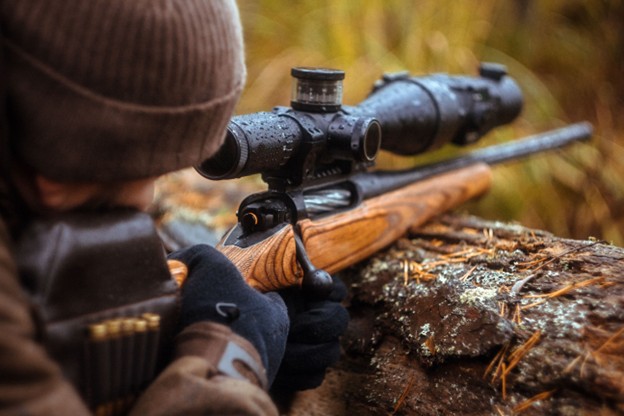
In the world of shooting, there is a little-known fact that seasoned shooters hardly ever express out loud: a rifle’s performance is solely dependent on the setup. Although skill is important, a shooter’s choice of equipment and the decisions they refuse to make are more significant. It takes effort to develop precision. It is constructed piece by piece using choices that demonstrate discipline, intention, and a thorough comprehension of how guns perform in the field.
That’s why conversations about performance have shifted. Instead of asking what rifle someone owns, more shooters are asking how that rifle is configured, tuned, supported, and outfitted. It’s a mindset that has shaped everything from competition builds to the evolution of Hunting Rifles, and it’s the reason modern shooters are far more meticulous with their gear than generations before them.
A high-performance setup doesn’t announce itself with flash. It shows its value quietly – through consistency, control, and the kind of accuracy that holds steady when conditions turn unpredictable.
Why the Foundation Still Starts With the Barrel and Action
The core of performance lies within the barrel and action, as any experienced shooter is aware. You don’t pick these elements at random. They control everything, including chamber pressure, recoil behavior, and the rifle’s resilience to environmental stress.
Precision-machined actions and cold hammer-forged or match-grade barrels give shooters a platform that doesn’t fight them. Whether someone is running tactical builds or refining their collection of Hunting Rifles, the expectation is the same: stability that doesn’t waver when the shot matters.
For heat management, balance, and long-term accuracy, lighter, carbon-wrapped barrels have also gained a spot in high-performance builds – not for flash.
Recoil Management: The Quiet Work Behind Every Clean Shot
You don’t “tough out” recoil. You have to design around that. The design of the stock is the first step in this process, followed by weight distribution and muzzle mechanisms that convert uncontrolled force into regulated movement.
A shooter who makes performance investments is aware of how these options stack up. Repeatability is increased, fatigue is decreased, and the rifle remains firmly aligned thanks to a well-designed stock.
Pair that with a well-tuned brake or compensator and even lightweight Hunting Rifles start behaving with the steadiness one expects from heavier precision platforms.
Optics: Where Capability Meets Discipline
If rifles are the foundation, optics are the lens through which performance becomes measurable. Serious shooters don’t chase magnification; they chase clarity, durability, and dependable tracking.
Modern high-performance setups prioritize:
- Precision turrets that don’t wander
- Glass that holds definition under harsh light
- Reticles designed for real environments
- Sturdy mounts that maintain zero after travel, recoil, or impact
This is an area where the gap between average and exceptional becomes obvious. A mid-range rifle paired with a well-chosen optic often outperforms pricier Hunting Rifles equipped with mediocre glass.
Trigger Discipline Starts With the Trigger Build
Confident shots are distinguished from hopeful ones by a clear, consistent trigger. Naturally, break weight is important, but internal geometry that affects sensation and follow-through is also important. Shooters who prioritize performance spend money on triggers that offer:
- Minimal creep
- Clean reset
- Repeatable brake pressure
A refined trigger doesn’t make a shooter skilled, but it allows skill to operate without interference. In testing conditions – and especially in the field – this becomes a defining advantage.
Ammunition: The Most Overlooked Precision Tool
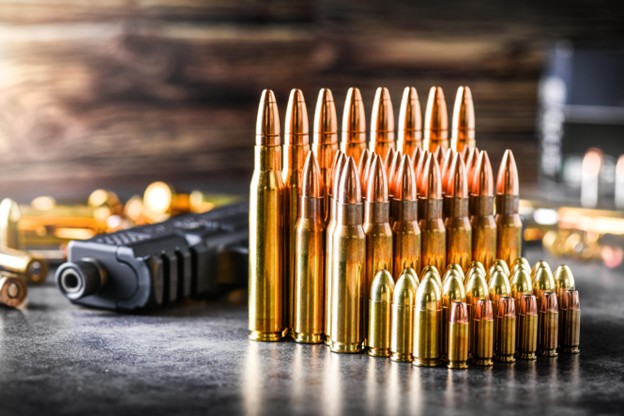
The ammunition that powers a rifle is always directly related to its performance. A rifle’s ability to function under pressure is influenced by its grain weight, ballistic coefficient, case consistency, and primer quality. Repeatability is more important to high-performance shooters than marketing claims, and they test various loads and look for trends.
This is especially true for long-range shooters and those who rely on their Hunting Rifles for ethical, accurate, one-shot solutions in the field.
Maintenance: The Step That Separates Hobbyists from Serious Shooters
Neglect does not sustain performance. Even the best equipment choices can be ruined by carbon buildup, worn springs, deteriorated lubrication, or a loose optic mount. Successful shooters view maintenance as an integral part of their profession rather than a job.
The Takeaway: Performance Is a Philosophy, Not a Purchase
A high-performance rifle setup isn’t defined by price tags or brand names. It’s defined by the way each component works together to support clarity, consistency, and control. Whether someone builds precision platforms or refines their lineup of Hunting Rifles, the principle remains the same: thoughtful configuration wins every time.
When shooters approach their rifles with intention – balancing engineering with discipline – the result is unmistakable. A rifle becomes more than a tool; it becomes a system tuned for excellence.

